What is Ground Handling?
Ground Handling is an umbrella term for the many activities in an airport that allow aircraft to arrive and depart safely and enable passengers to move through the airport efficiently, from check-in to boarding.
After it’s arrival, Ground Handlers prepare an aircraft for it’s next flight (know as a turnaround) by ensuring the correct baggage, fuel, catering- and passengers- are on board. There are strict processes for every activity to ensure that aircraft (and everything onboard it) are safe, secure and depart on time to keep global timetables on schedule.
For passengers, Ground Handling means ensuring customers have the correct documentation to allow them to fly to their destination, representing airlines to deliver high standards of customer service and offering assistance when things go wrong such as delays, cancellations or missing luggage.
Moving planes and people safely and efficiently is often easier said than done, and Ground Handlers need to have high levels of personal resilience to deal with the regular unplanned variables that are the nature of the industry. Occurrences like bad weather, unexpected diversions, requests from the crew and passenger behaviour can all jeopardise an on-time turnaround – but can also lead to great job satisfaction and skill development through problem solving, mastering the art of communication and managing difficult situations.
Ground handling is a career of variety, and every day truly is different. There are no formal qualifications required and most supervisors, duty managers and general managers have worked their way up from an entry level position. It’s also a great exposure to how airports and airlines operate which can be of benefit further down the line- many pilots, cabin crew and engineers started as Ground Handlers.
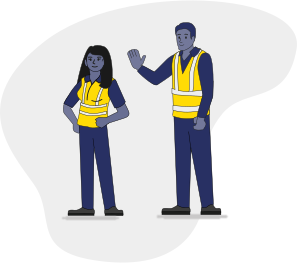
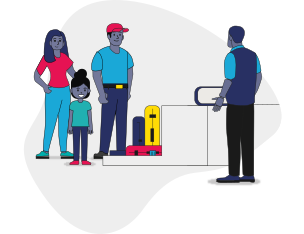
There are many departments in Ground Handling, and they can vary depending on the airline and airport being served. They include:
- Operations
- Baggage sortation
- Executive Lounge service
- Cargo
- Ramp Services
- Fleet Maintenance
- Customer Services
- Refuelling
- Cabin presentation
- Dispatch
- Bus drivers for passenger and crew transport
Some key personal qualities for aspiring Ground Handlers
Flexibility
Aairports operate 24 hours a day and shifts reflect this. There can be a mixture of very early starts and late finishes, but this also means you have variety in your time off. Overtime is often available too.
Teamwork
All turnarounds are a team effort, and colleagues rely on each other, bringing a sense of camaraderie that not all workplaces offer.
Customer focussed
Ultimately, everyone is working to move passengers safely to their destination. Whether you are helping a passenger with a lost boarding card, making sure luggage makes an onward connection or ensuring the cabin is clean and tidy- everything is done with the customer in mind and making their experience as smooth as possible.
Willingness to adapt
While Ground Handling principles stay the same, airlines customers change, procedures are reviewed and improved and there are always new processes or systems to learn.
Here are some of the job roles in Ground Handling and their main duties:
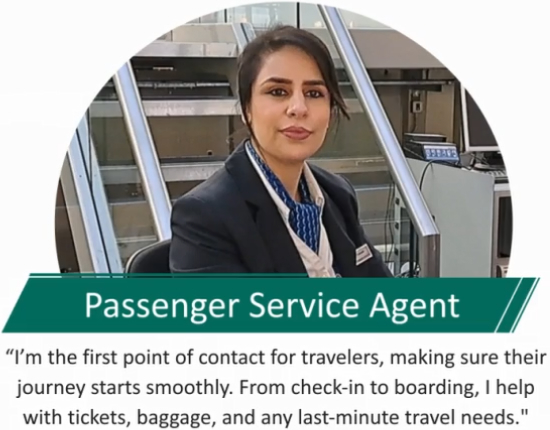
Passenger Service Agent
- Delivering friendly and efficient service on behalf of an airline
- Checking tickets, passports and visas
- Boarding customers onto aircraft and offering extra assistance to those who need it
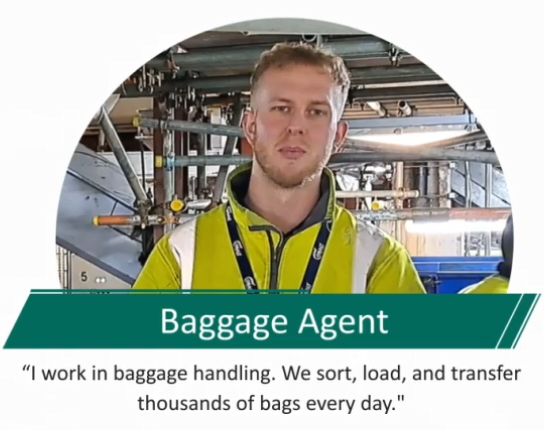
Baggage Agent
- Sort baggage as it is checked in to make sure it is delivered to the side of the correct aircraft
- Ensure transfer baggage makes its onward connection
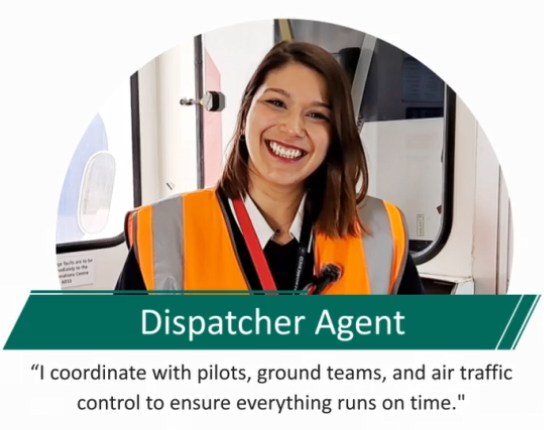
Dispatcher Agent
- Coordinate the aircraft turnaround
- Communicate with pilots, air traffic control and airfield operations
- Attach airbridges and, when necessary, open aircraft doors
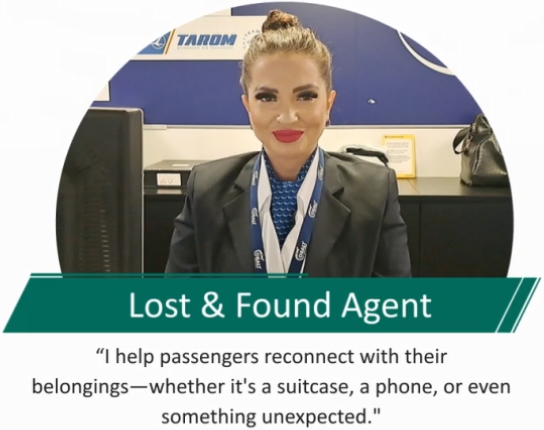
Lost & Found Agent
- Helping customers with lost luggage, missed connections and communicating information during delays
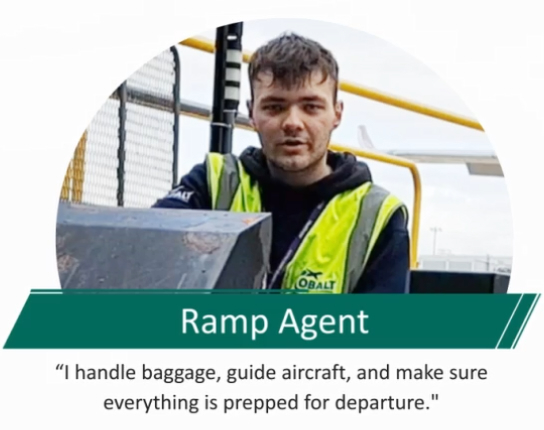
Ramp Agent
- Load and offload luggage and cargo in accordance with weight and balance instructions
- Marshal aircraft onto stand for arrival, attach boarding steps and safety chocks
- Pushback the aircraft for departure using a specialist tractor vehicle
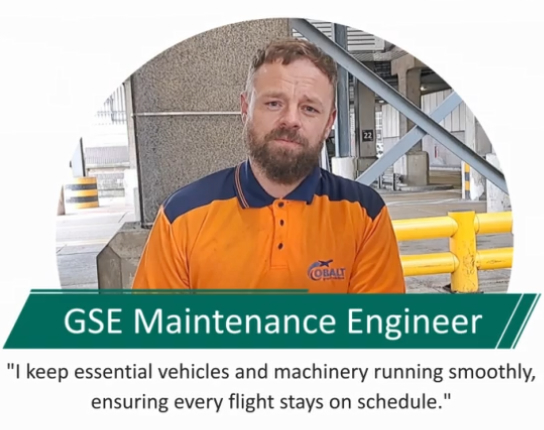
GSE Maintenance Engineer
- Keep the wide array of specialist Ground handling equipment and vehicles maintained and operational
- Coordinate fleet changes with the move towards electric equipment
Aircraft Presentation Agent
- Clean the aircraft interior and restock amenities such as magazines, blankets and headphones
- Service lavatories including emptying and sanitizing the system
- Replenishing the aircraft’s potable (drinking) water tanks
Operations Supervisor
- Allocate daily duties of dispatchers, ramp agents and customer service agents
- Manage disruption, delays and cancellations
- Liaise with pilots, crew and airline operations to relay instructions, requests and changes